
Meetings often end with a shared sense of progress. Everyone seems to agree on the next steps, important decisions have been discussed, and new tasks have been identified.
A few days later, confusion starts to appear. Team members remember the conversation differently, action items remain unfinished, and nobody is completely sure why a particular decision was made.
The problem usually isn't the meeting itself. It's the way information is recorded afterward.
Effective project records don't try to preserve every word from a discussion. Instead, they capture decisions, responsibilities, and follow-up actions in a format that people can actually use.
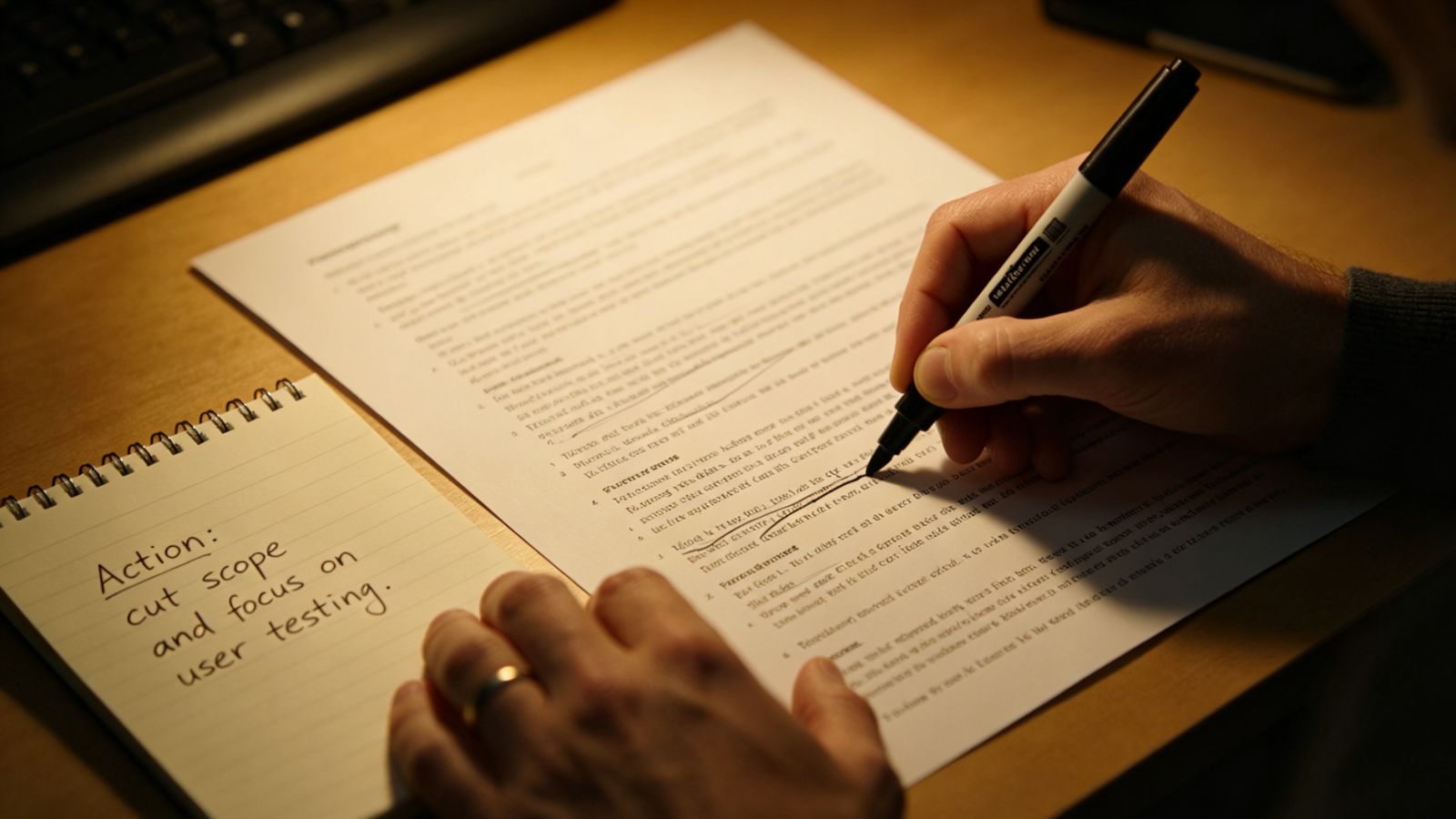
Modern collaboration tools make it easy to record meetings, generate transcripts, and save chat histories. However, storing more information doesn't automatically create better documentation.
Raw notes often contain repeated discussions, unfinished ideas, side conversations, unresolved questions, and details that aren't relevant to future work.
When someone needs to review a project several months later, reading an entire transcript just to find one important decision becomes inefficient.
Meeting notes should be treated as source material rather than final documentation.
One of the most common documentation mistakes is recording the discussion instead of recording the outcome.
After every meeting, ask three simple questions:
What was decided?
Why was that decision made?
What needs to happen next?
For example, instead of preserving twenty minutes of discussion about database options, simply document the final decision and explain why it was chosen.
Instead of writing down every opinion about a release schedule, record the final launch date and the reasons behind the change.
Future team members usually need the conclusion, not the entire conversation that led to it.
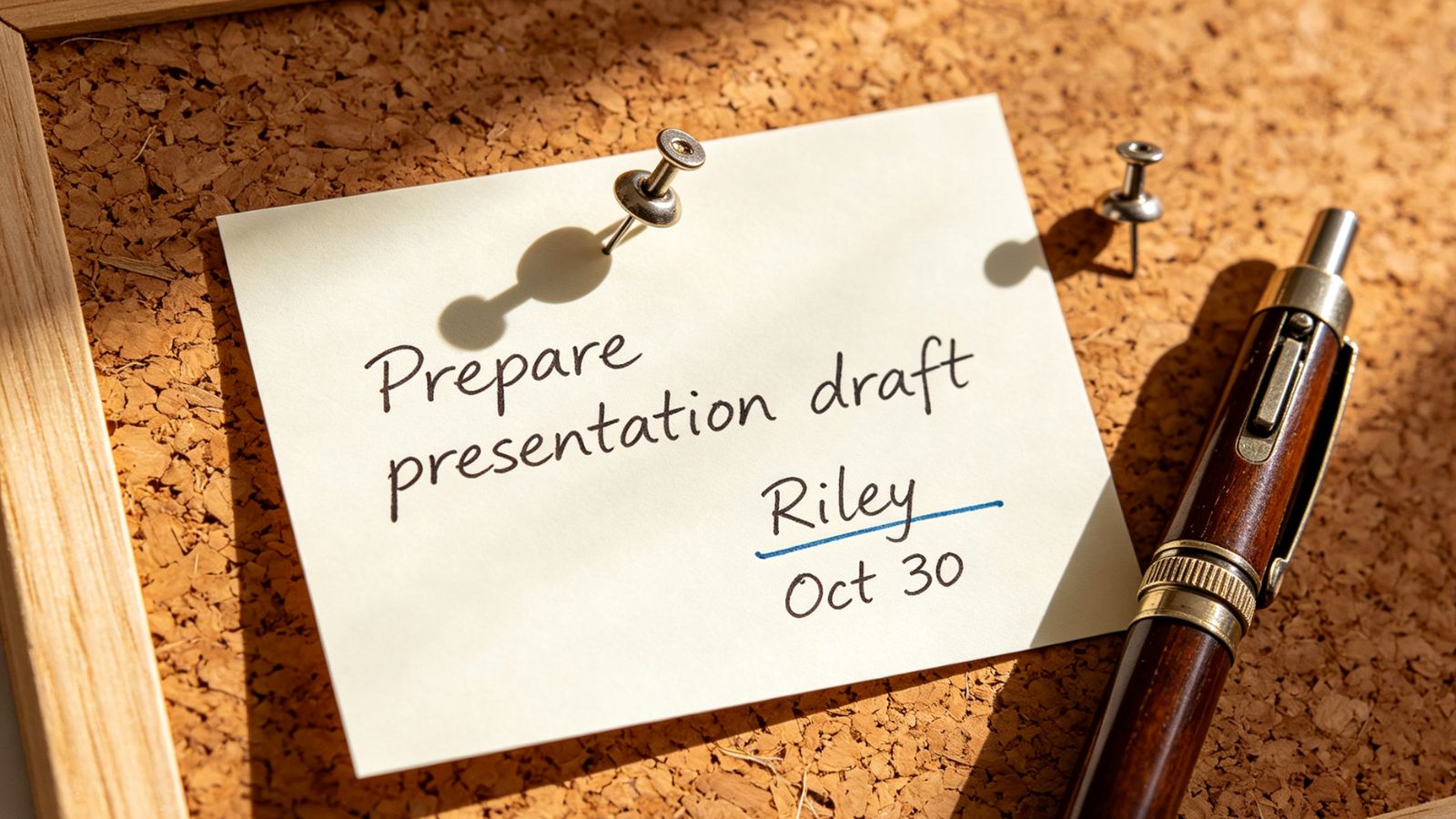
Tasks assigned to an entire department often become everyone's responsibility and, ultimately, nobody's responsibility.
Every action item should include four pieces of information:
The task itself.
The person responsible for completing it.
The expected deadline.
Any documents or systems that will be affected.
Even when multiple people contribute to a task, assigning one primary owner creates clearer accountability and reduces confusion.
Meeting notes shouldn't become isolated documents stored in a folder that nobody revisits.
Instead, important outcomes should be added directly to the documents people already use every day.
Technical decisions should be added to technical documentation.
Schedule changes should be reflected in project timelines.
New requirements should be incorporated into product documents.
Workflow updates should be added to the team wiki.
Meeting records should support the project's primary documentation rather than compete with it.
A useful meeting record doesn't need to be complicated.
A simple structure might include:
Decision: What was agreed upon?
Reason: Why was this decision made?
Owner: Who is responsible?
Deadline: When should the work be completed?
Dependencies: Which projects, systems, or documents will be affected?
Follow-up actions: What happens next?
Using the same structure across different meetings makes information easier to review and compare.

Better documentation often begins before the meeting is over.
A few simple habits can significantly improve record quality.
Start with a clear agenda.
Identify the decisions that need to be made.
Capture action items during the discussion rather than afterward.
Review responsibilities before participants leave the meeting.
When everyone confirms decisions in real time, misunderstandings become much less common.
Meeting notes become valuable only when they create clarity.
Instead of preserving every detail, focus on documenting decisions, assigning clear ownership, and connecting new information to existing project documentation.
A good project record should allow someone to understand what happened, why it happened, and what needs to happen next without rereading an entire conversation.
That shift transforms meeting notes from temporary references into a reliable source of long-term project knowledge.