
Business communication rarely happens in one place. A project decision might begin in an email, get clarified through a Slack or Microsoft Teams thread, and end with a voice note recorded between two meetings. The information is there, but it is scattered across formats that enterprise systems are not designed to handle equally well. Important decisions, task assignments, deadlines, and requirements can remain buried in conversations instead of making their way into project management tools or operational databases. Copying those details by hand may work for a small team, but it quickly becomes difficult to maintain as message volume grows.
That is where an information ingestion architecture becomes useful. Rather than treating every incoming message as plain text, the system can first normalize the source, transcribe audio when necessary, identify relevant entities and actions, and map the extracted information to a defined schema. The goal is not simply to process more messages. It is to turn everyday communication into structured information that downstream systems can actually use.
The same piece of business information can look very different depending on where it originated. An email from a client may contain several paragraphs of background information, a quoted reply chain, a signature, and legal disclaimers. A developer's Slack message may be only one sentence long, yet contain technical shorthand that makes sense only within the surrounding thread. A voice note recorded while someone is walking to a car may contain pauses, corrections, unfinished sentences, and several ideas mixed together.
A single parsing approach tends to perform poorly when inputs differ this much. Before a system tries to determine what a message means, it needs to establish what kind of input it received and remove the noise that does not belong in the final operational record.
Normalization and transcription: Audio can be converted into text with timestamps when required, while incoming emails can be stripped of unnecessary HTML elements, signatures, headers, and repeated quoted content.
Channel-specific preprocessing: Email, chat messages, and spoken recordings need different cleaning and segmentation rules. A short chat message may need its surrounding thread for context, while an email may require reply-chain analysis.
Entity extraction and normalization: Important details such as project names, dates, assignees, identifiers, and other operational fields can be extracted and converted into consistent formats.
Validation and confidence handling: Not every extraction should be treated as certain. When a date, person, or action is ambiguous, the system can flag the record for review rather than silently inserting an incorrect value into a downstream system.
This last step is easy to overlook. A structured field is useful only when the information inside it can be trusted.
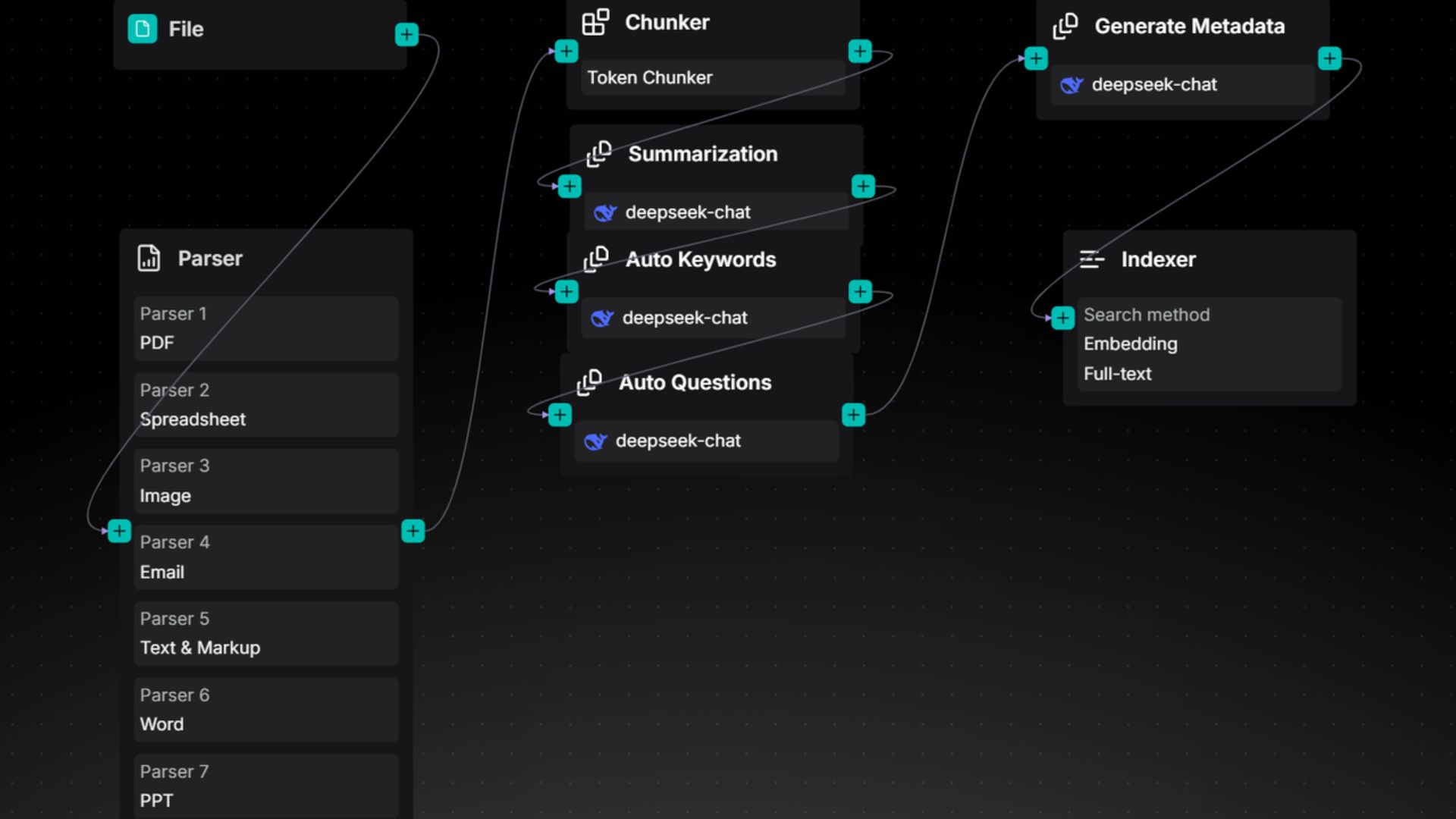
Voice notes are convenient when typing is impractical, particularly for people moving between meetings, working in the field, or dealing with information that is easier to explain aloud. The problem comes later. Raw audio is difficult to search, categorize, and connect to a conventional project-management workflow.
Speech-to-text solves only part of that problem. The resulting transcript still has to be interpreted.
Consider a voice note such as: “We need to push the Q3 database migration deadline to next Tuesday because the vendor hasn't delivered the API keys.” A useful ingestion pipeline needs to identify more than the individual words. It has to determine that the speaker is proposing a schedule change, identify the affected project activity, resolve the relative date, and retain the dependency that explains why the deadline is changing.
Temporal resolution: A phrase such as “next Tuesday” needs to be interpreted using the recording timestamp and the system's calendar rules before it can become a reliable due-date field.
Action identification: “We need to push the deadline” represents a proposed change to a schedule, not simply a statement about the project.
Dependency mapping: The missing vendor API keys explain the reason for the delay and should remain associated with the task rather than being discarded as background text.
Confidence checking: If the recording is unclear about the date, project, or responsible person, the system should preserve the uncertainty instead of inventing a value.
Once these attributes have been extracted and validated, they can be mapped into a task or workflow record. Depending on the organization's architecture, the record might then move through an approval step before being written to a project-management system or operational database.
That distinction matters. Good ingestion is not the same as blindly automating every decision.
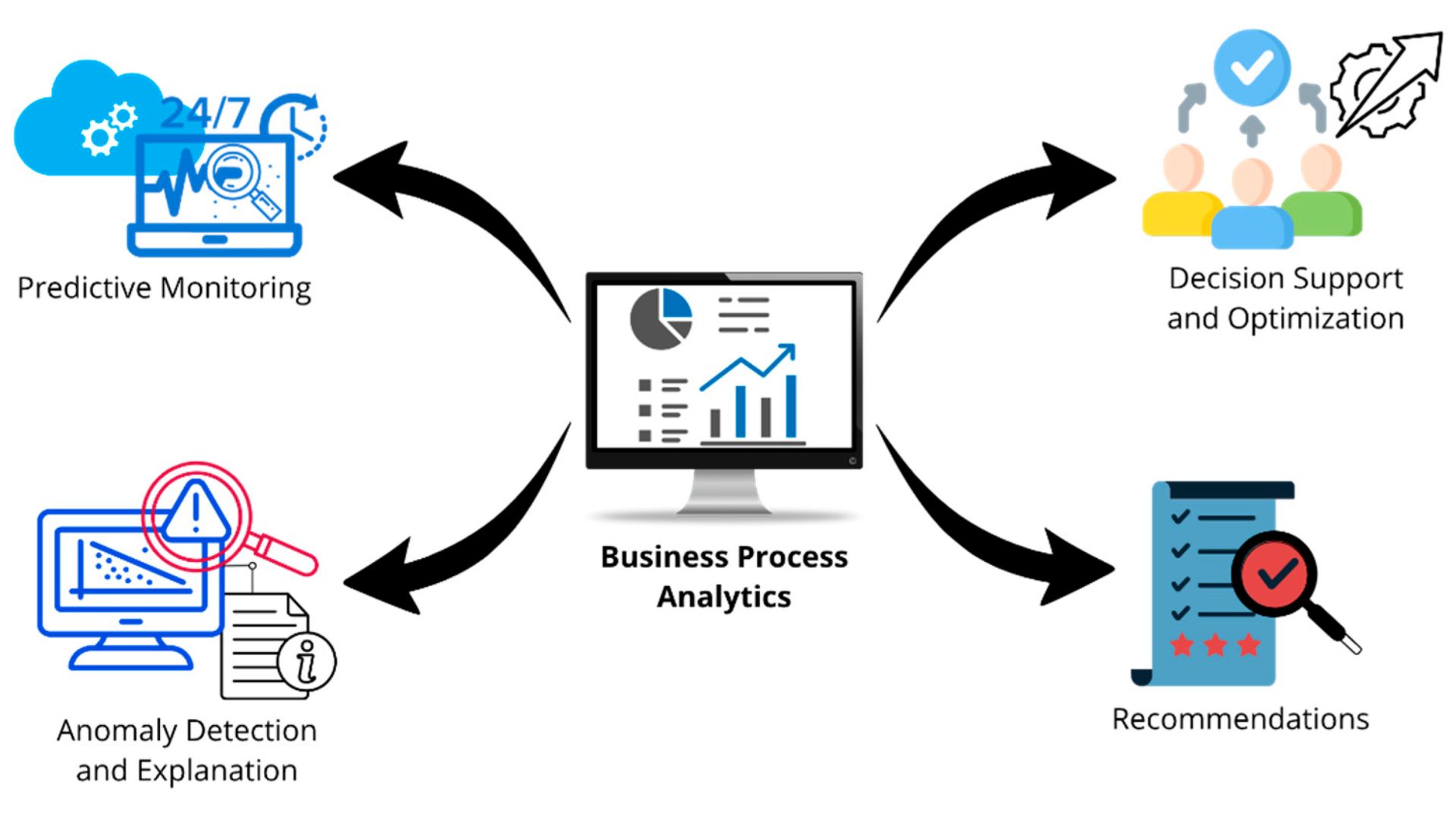
Email and workplace chat usually produce some of the largest volumes of organizational communication, but they do not behave like the same type of data. Their differences need to be reflected in the ingestion pipeline.
Chat streams such as Slack and Microsoft Teams: Messages tend to arrive quickly, often in fragments. Several people may contribute to the same discussion, and a single sentence can depend heavily on messages posted immediately before it. Processing each line independently can therefore remove important context. Grouping messages into threads or defined conversational windows usually produces a more useful input for semantic extraction.
Inbound email: Email generally contains more formal structure, but a single thread can include several proposed solutions, old attachments, repeated replies, and outdated assumptions. A useful pipeline needs to distinguish the latest response from earlier discussion instead of treating every sentence as equally current.
The distinction between current and historical information is especially important. An email thread might contain a deadline that was proposed on Monday and changed on Wednesday. Simply extracting both dates creates structured data without resolving the conflict.
A better workflow can identify the most recent relevant statement, retain earlier information as context when appropriate, and flag contradictory values for review.
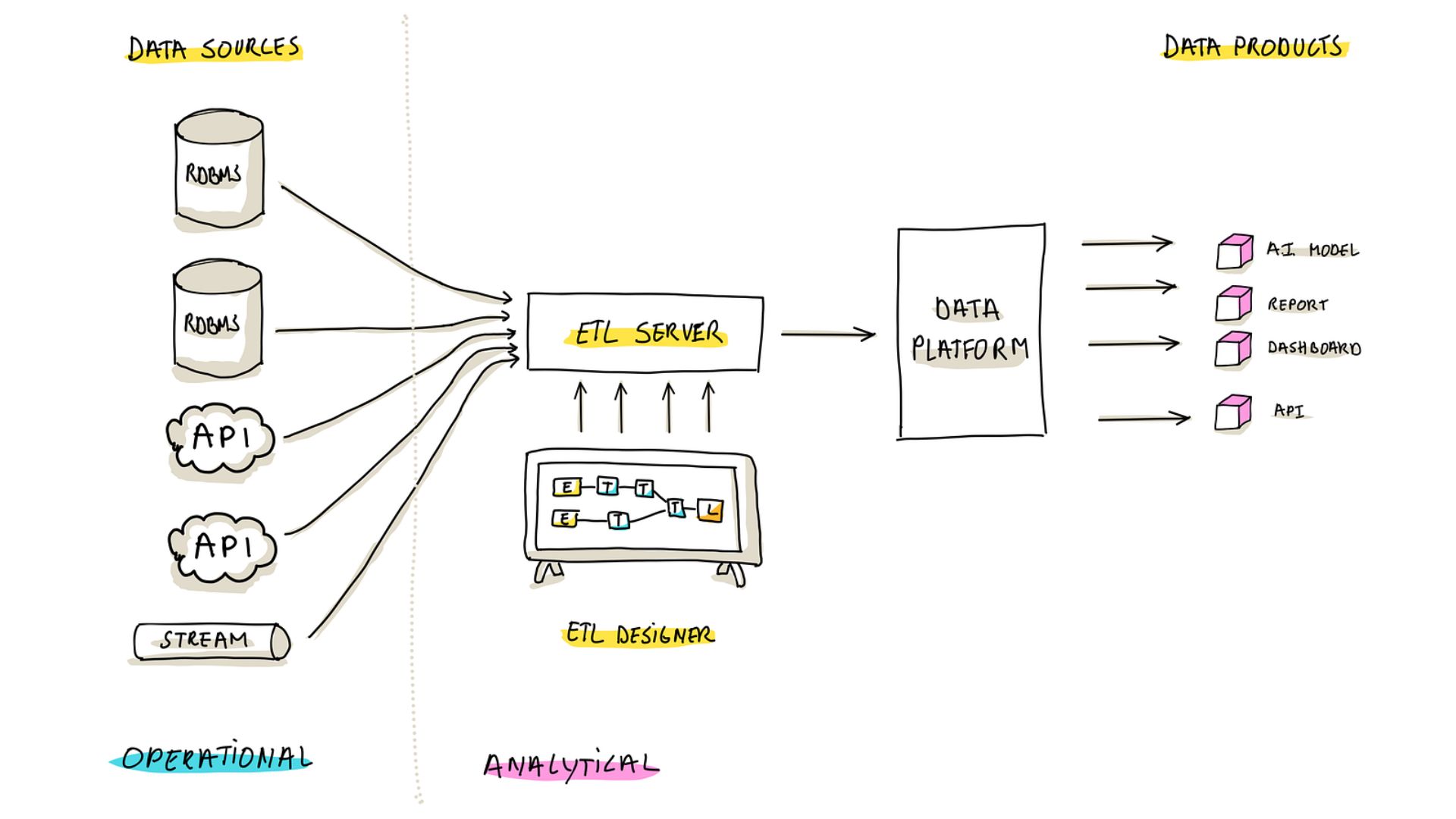
Information ingestion becomes much easier to manage when the destination schema is defined before extraction begins. Without a clear target structure, the system may produce technically correct text that still requires manual interpretation.
For example, a task-oriented schema might contain fields such as:
Project: The project or workstream associated with the communication.
Action: The task or change being proposed.
Assignee: The person or team responsible, when identifiable.
Due date: A normalized calendar date rather than a phrase such as “next Tuesday.”
Dependency: A related event, person, system, or external requirement affecting the task.
Source: The originating email, chat thread, or voice recording.
Confidence or review status: An indication of whether the extracted information is sufficiently clear for automated processing.
This approach changes the problem from “How do we understand every message?” to a more practical question: “Which pieces of information does the business actually need from this message?”
That makes the pipeline easier to test, monitor, and improve.
Turning internal and external communications into structured records also creates data-governance responsibilities. An email may contain customer information, a voice note may discuss personnel matters, and a chat thread may reveal unreleased product plans. Once that information is extracted and copied into another system, it can become subject to a different set of access, retention, and auditing requirements.
PII detection and redaction: Automated rules and classification systems can identify sensitive information such as government-issued identifiers, payment information, or other personal data and apply the organization's handling rules before the information is stored or passed downstream.
Controlled audio retention: If the original recording is not required after transcription, retention policies can remove it after an appropriate period. Where audio must be retained for operational, legal, or audit reasons, access and retention should be governed explicitly rather than assumed.
Role-based access control: Structured records should preserve the appropriate permissions from the source system wherever possible. A sensitive conversation should not become broadly accessible simply because its contents were extracted into a shared database.
Auditability: The system should retain enough source information and processing history to explain where an extracted field came from and, when necessary, how it was changed.
Human review for uncertain data: Low-confidence extractions, conflicting dates, unidentified participants, and other ambiguous cases can be routed for review instead of being treated as confirmed operational facts.
Security therefore needs to be part of the ingestion design rather than something added after the extraction pipeline is complete.
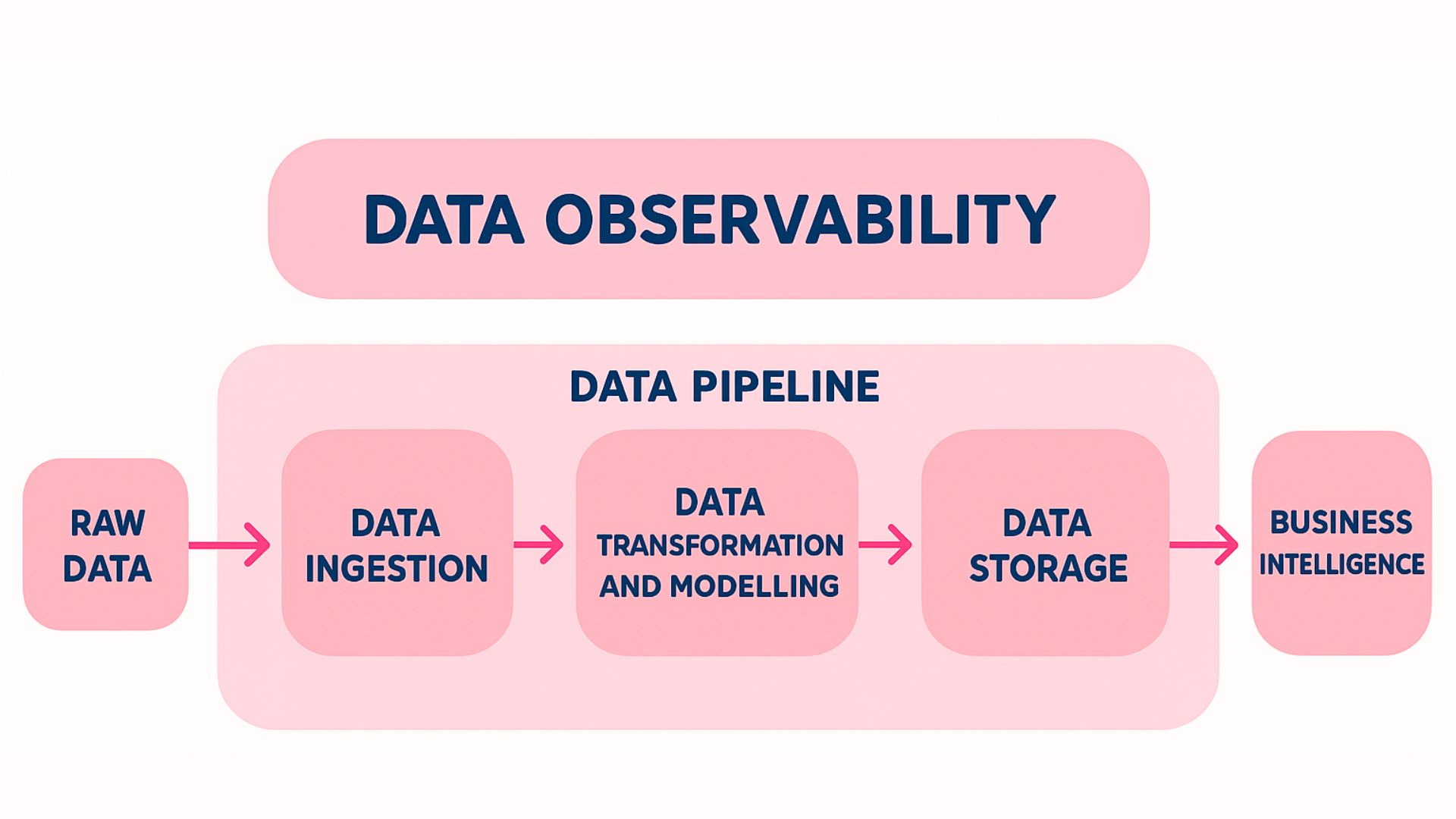
A practical architecture usually works best as a sequence of controlled stages rather than one large processing step. Incoming material is first identified by source and normalized. Audio is transcribed when necessary, while email and chat content are cleaned and grouped according to their structure. The resulting material can then pass through entity extraction, intent classification, schema mapping, validation, and finally the appropriate downstream workflow.
This staged design also makes troubleshooting easier. If a task receives the wrong due date, for example, engineers can determine whether the problem came from transcription, date resolution, entity extraction, or schema mapping instead of treating the entire system as a black box.
The architecture can also be designed to keep the original source attached to the structured record. That provides a useful fallback when an extracted value needs to be checked later and helps distinguish source information from the system's interpretation of it.
The value of information ingestion is not simply the ability to process more email, chat messages, or voice recordings. The real benefit comes from turning scattered communication into consistent operational records without losing the context that gives those records meaning.
A reliable pipeline starts with channel-aware preprocessing, moves through extraction and normalization, and includes validation before information reaches downstream systems. Security, access controls, retention rules, and traceability belong in the same design.
When those pieces work together, ordinary business conversations become a usable source of structured information rather than a collection of disconnected messages that someone has to interpret and re-enter by hand.