
Modern workplaces have never been more connected, yet many professionals feel less productive than they did a decade ago. Video meetings, instant messaging platforms, collaborative documents, project management dashboards, and shared calendars have created an environment where communication rarely stops. In theory, this level of connectivity should make collaboration faster and decision-making more efficient. In practice, it often creates an endless cycle of interruptions that gradually consumes the workday.
The problem is not that meetings are inherently ineffective. Collaboration remains essential for complex projects, distributed teams, and cross-functional organizations. The challenge emerges when communication becomes the default response to every problem. A quick check-in becomes a recurring meeting. A status update becomes a standing call. A simple question becomes a video conference involving half the department. Over time, the calendar stops supporting work and starts competing with it.
Protecting deep work in a meeting-centric environment requires more than personal discipline. It demands a different way of thinking about time, attention, and organizational design. Rather than treating focus as an individual responsibility, teams must recognize that concentration is a shared resource that can be protected, fragmented, or unintentionally destroyed by the systems they create.
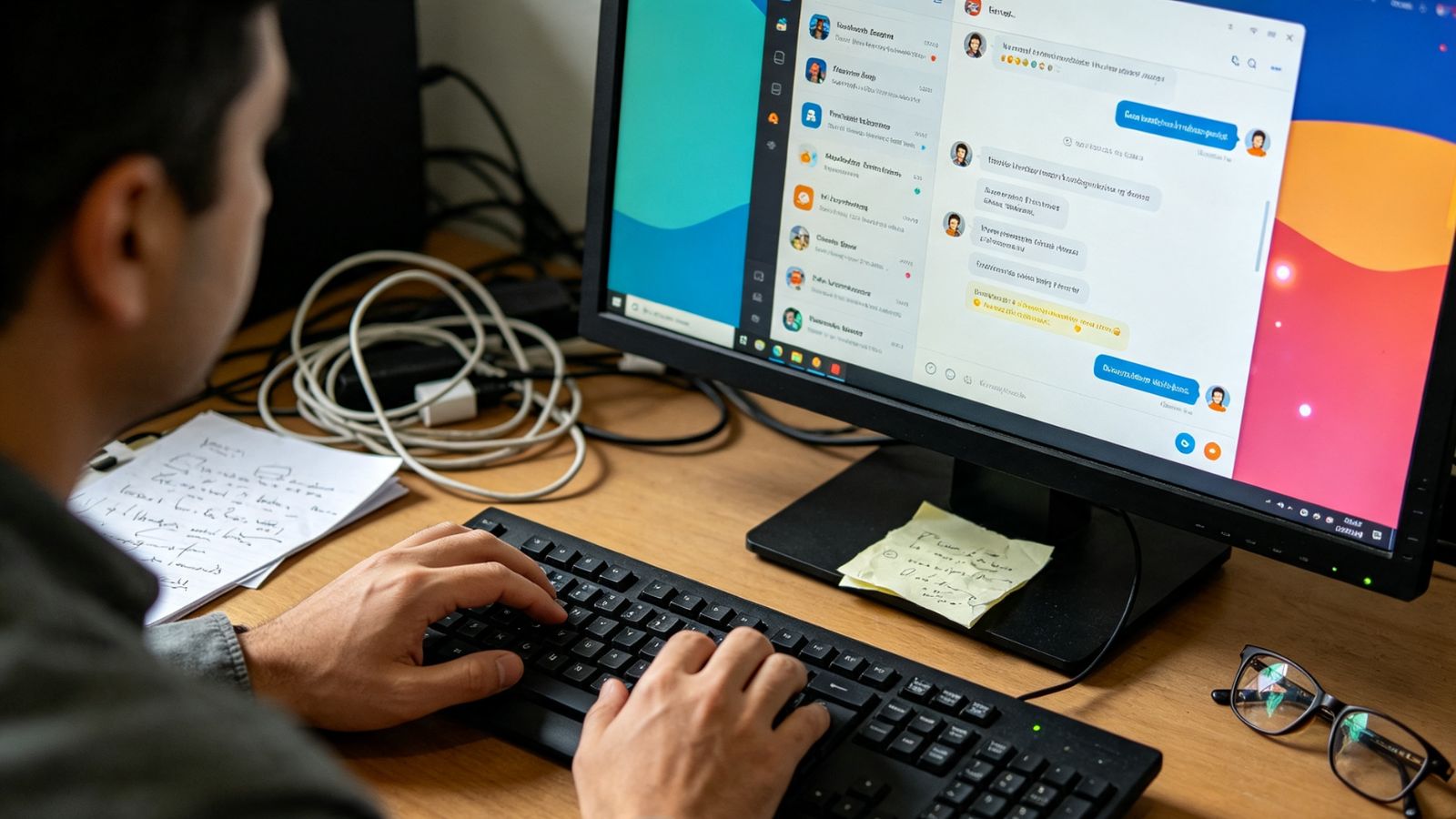
Meeting overload rarely appears overnight. In most organizations, it develops slowly through a series of reasonable decisions. Teams schedule project kickoffs to improve alignment, weekly updates to increase visibility, and retrospective meetings to encourage continuous improvement. Each individual meeting may appear harmless, but the cumulative effect is often overlooked. What begins as a handful of useful conversations gradually transforms into a calendar dominated by recurring obligations.
The real cost isn't always measured by the number of meetings themselves. Instead, it appears in the fragmented periods between them. A professional with several meetings scattered throughout the day rarely has enough uninterrupted time to fully engage with demanding tasks. Writing a strategic proposal, analyzing complex data, designing a product roadmap, or solving a technical problem often requires extended concentration. When a 30-minute meeting interrupts every hour, meaningful work is repeatedly postponed rather than completed.
Consider a typical remote workday. An employee joins a morning status meeting, responds to messages afterward, attends a client call before lunch, participates in a team review during the afternoon, and finishes the day with a departmental update. Although the calendar appears productive, very little uninterrupted time remains for actual execution. By the end of the day, many professionals feel exhausted despite having produced relatively little tangible output.
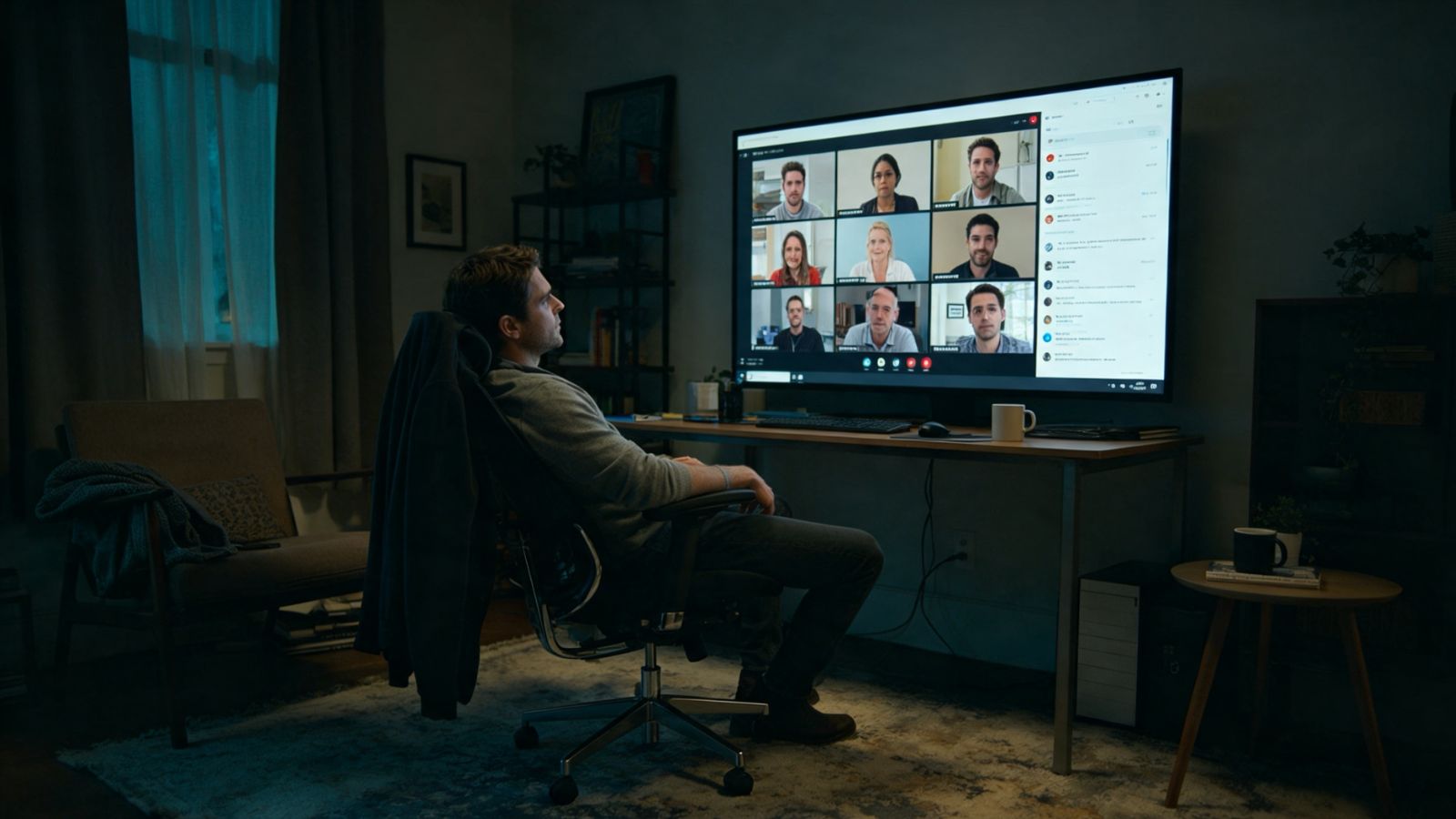
One of the most overlooked consequences of meeting-centric cultures is the way they reshape professional behavior. When responsiveness becomes the primary indicator of engagement, employees begin optimizing for visibility rather than effectiveness. Answering messages quickly becomes more important than solving difficult problems. Attending every meeting becomes safer than protecting time for focused work. Gradually, organizations start rewarding presence instead of results.
Innovation often suffers first. New ideas rarely emerge during tightly scheduled conversations with predefined agendas and limited time. Creative thinking typically requires experimentation, reflection, and the freedom to explore multiple possibilities without immediate pressure to produce an answer. When every available hour is divided into short, highly structured intervals, employees naturally gravitate toward smaller, lower-risk tasks that fit neatly into the remaining gaps.
Employee morale can also deteriorate under these conditions. Many professionals report feeling as though they spend their entire day discussing work without actually doing it. As unfinished tasks accumulate, evenings and weekends become extensions of the workday. The flexibility promised by remote and hybrid work arrangements begins to disappear because concentrated work must be completed outside normal business hours. Eventually, the problem is no longer inefficient scheduling; it becomes a persistent source of stress and disengagement.
Reducing meeting overload does not mean eliminating collaboration. Instead, organizations should evaluate whether every conversation truly requires real-time participation. Many routine interactions can be transformed into asynchronous communication without sacrificing clarity. Status updates, project progress reports, and informational announcements often work better when documented in shared workspaces that employees can review according to their own schedules.
Written communication provides another advantage: it creates a searchable record that can be referenced later. Instead of repeating the same information during multiple meetings, teams can maintain centralized documentation that preserves decisions, deadlines, and project context. Short video recordings can also replace certain presentations, allowing employees to consume information when they are most focused rather than forcing everyone into a fixed meeting slot.
When live discussions are necessary, meetings should begin with context rather than explanations. Distributing materials in advance changes the nature of the conversation. Participants arrive prepared to discuss trade-offs, challenge assumptions, and make decisions instead of spending most of the meeting listening to information that could have been shared beforehand. This shift transforms meetings from passive information exchanges into focused working sessions.

Protecting deep work requires structural changes rather than individual time-management tricks. One effective strategy is regularly auditing recurring meetings. Teams often continue holding meetings long after their original purpose has disappeared. Establishing expiration dates for recurring events encourages organizations to reevaluate whether those conversations still provide value. If a meeting no longer contributes to active projects or decision-making, it should be modified or removed.
Creating dedicated focus periods can also significantly improve productivity. Some organizations establish meeting-free mornings, while others reserve specific days for uninterrupted work. These policies are only effective when they are adopted collectively. Protecting focus for one employee while the rest of the team continues scheduling meetings simply shifts the interruption elsewhere. Deep work must become a cultural expectation rather than an individual preference.
Attendance expectations deserve similar scrutiny. Large meetings frequently include participants whose presence is optional rather than essential. Limiting attendance to decision-makers and directly involved contributors reduces unnecessary interruptions while preserving access to important information through meeting summaries and documentation. Smaller meetings are often faster, more focused, and more likely to produce actionable outcomes.
Constant connectivity has fundamentally changed how modern organizations operate, but more communication does not automatically lead to better work. When calendars become saturated with meetings and messaging platforms create an expectation of continuous availability, attention becomes fragmented and meaningful work is pushed into increasingly smaller spaces.
Protecting deep work requires organizations to rethink the relationship between collaboration and productivity. By reducing unnecessary meetings, expanding asynchronous communication, documenting information more effectively, and creating protected periods for concentrated work, teams can restore balance between communication and execution. In healthy organizations, meetings support work rather than replacing it, and technology serves as a tool for collaboration rather than a system that constantly competes for human attention.