

Modern workplace collaboration has changed significantly as organizations adopt hybrid and remote work models. Teams are no longer limited to traditional office environments where colleagues can easily walk across the room to exchange ideas. Instead, employees now rely on a combination of meetings, messaging platforms, shared documents, and project management tools to coordinate daily operations.
This shift has created an important communication challenge: when should teams communicate in real time, and when should they allow conversations to happen asynchronously?
Although synchronous and asynchronous communication are often viewed as competing approaches, both serve different purposes. Real-time discussions can accelerate decisions and improve collaboration during complex situations, while asynchronous communication can protect focus time and create better documentation. The key is not choosing one method exclusively, but understanding which approach fits each workplace scenario.
Before deciding which communication style to use, teams need to understand how each method functions and what advantages it provides.
Synchronous communication happens when participants interact at the same time. Examples include in-person meetings, video conferences, phone calls, and live chat conversations where quick responses are expected.
The primary advantage of synchronous communication is speed. Participants can exchange ideas immediately, clarify misunderstandings, and adjust decisions based on real-time feedback.
This approach is particularly valuable when:
A problem requires multiple perspectives quickly
A decision involves complex discussion or negotiation
Emotional context and personal interaction matter
Teams need immediate alignment on priorities
However, frequent real-time communication can also create challenges. Too many meetings or constant message notifications may interrupt focused work and make it difficult for employees to maintain productive workflows.

Asynchronous communication allows people to respond at their own pace rather than requiring everyone to participate simultaneously. Common examples include project updates, shared documents, recorded presentations, email discussions, and task management comments.
Its main advantage is flexibility. Team members can review information, analyze details, and provide more thoughtful responses without interrupting their current responsibilities.
Asynchronous communication works especially well for:
Routine project updates
Documentation and knowledge sharing
Detailed reviews and feedback
Tasks that require individual concentration
The limitation is that asynchronous communication may slow down discussions when a topic requires immediate clarification or several rounds of rapid decision-making.
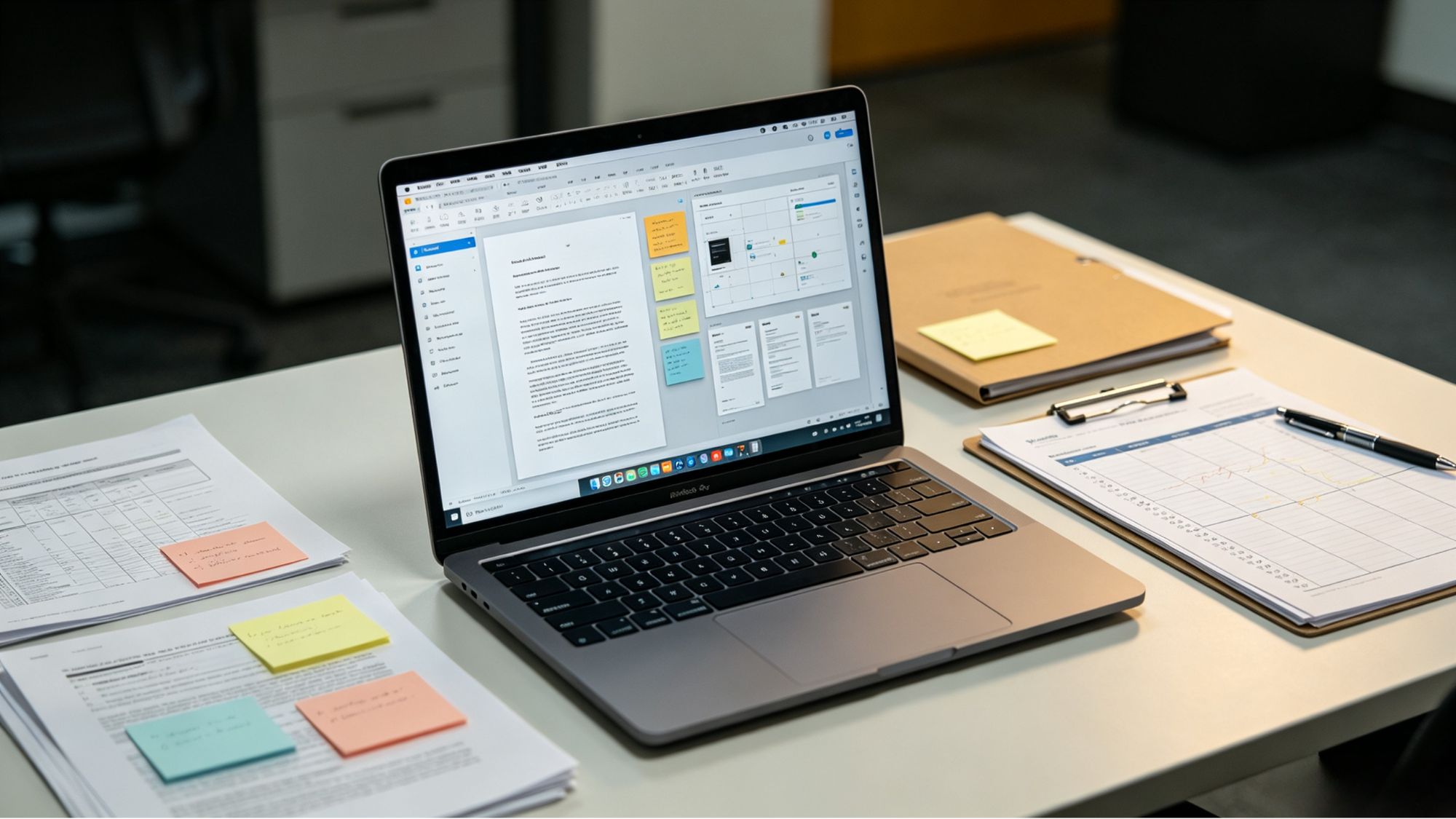
The effectiveness of workplace communication depends largely on matching the method to the situation.

Situations involving immediate risks often require synchronous communication.
For example, when a critical system issue affects customers or an important operational problem emerges, teams usually need direct conversations to evaluate the situation, assign responsibilities, and coordinate responses quickly.
Trying to manage urgent issues entirely through delayed messages can create confusion because different team members may interpret information differently or respond at different times.
Early-stage discussions often benefit from real-time collaboration.
When teams are defining a new project, exploring possible solutions, or addressing unclear challenges, live conversations allow participants to exchange ideas more naturally. Questions can be answered immediately, and teams can build a shared understanding faster.
After the main direction has been established, however, many follow-up activities can transition to asynchronous channels. Written updates, project notes, and documentation help maintain progress without requiring unnecessary meetings.
Regular status meetings are one area where asynchronous communication can often improve efficiency.
Instead of gathering large groups of employees for updates that could be documented, teams can use project management platforms or written summaries to share progress.
A structured update can include:
Completed tasks
Current priorities
Potential obstacles
Required decisions or support
This approach allows team members to review information when convenient while keeping project visibility high.
Complex reviews often benefit from asynchronous collaboration.
For example, when evaluating a proposal, business plan, or technical document, written comments allow reviewers to examine details carefully and provide specific suggestions.
Shared document platforms also create a record of feedback, making it easier for teams to understand decisions and track changes over time.
A successful communication strategy requires clear expectations. Without defined rules, employees may feel pressure to constantly monitor messages and respond immediately.
Teams should clarify which communication channels are appropriate for different situations.
For example:
Urgent issues may require direct calls or immediate messages
Regular updates can be handled through project platforms
Detailed discussions may belong in documents or email
Clear expectations reduce unnecessary interruptions and help employees manage their attention more effectively.
Organizations that use asynchronous communication effectively often prioritize written documentation.
Recording decisions, project requirements, and important discussions creates a shared knowledge base. It also allows employees who were not present during a conversation to understand the background behind decisions.
A documentation-focused approach improves transparency and reduces dependence on repeated meetings.
The most effective workplaces do not treat synchronous and asynchronous communication as opposing choices. Instead, they combine both methods strategically.
A common pattern is:
Use synchronous meetings to solve complex problems, build relationships, or make important decisions.
Document outcomes and next steps asynchronously.
Use written updates for ongoing progress tracking.
Return to real-time discussions when issues require deeper collaboration.
This balanced approach allows teams to maintain connection while protecting time for focused work.

Synchronous and asynchronous communication each play an important role in modern workplace collaboration. Real-time interaction remains valuable for urgent situations, creative discussions, and relationship building, while asynchronous workflows support flexibility, documentation, and focused productivity.